

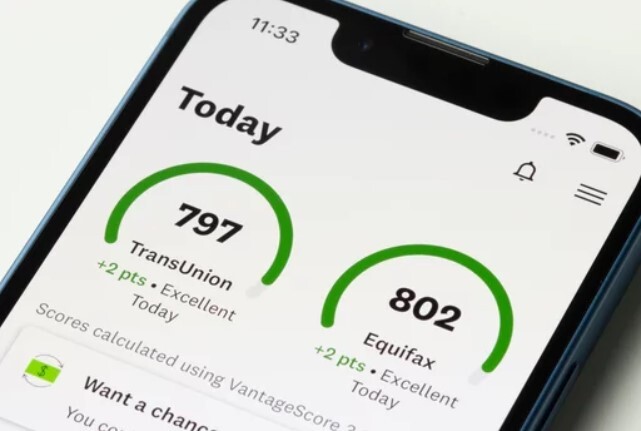
Divorce is more than just the end of a marriage, it’s a significant life event that affects every aspect of your future, including your financial stability. Understanding how divorce directly affects your credit score can help you take proactive measures to protect your financial future. One of the often-overlooked consequences of divorce is its impact on credit scores. For individuals living in USA, how divorce affects credit and what proactive steps to take is crucial for safeguarding financial health. This article provides valuable insights on this topic, emphasizing the need to address credit concerns early to prevent lasting damage.
How Divorce Impacts Your Credit Score and Financial Health
The transition from married life to divorce can bring immediate changes to your credit score, often in ways that many people do not anticipate. Joint financial obligations, such as mortgages, credit cards, and loans, become potential liabilities as couples separate their finances. Credit bureaus do not take divorce into account when assessing credit risk; they continue to report based on the shared responsibility for debts and payment history.
Why Divorce Affects Your Credit
- Joint Accounts: Shared financial obligations mean that late or missed payments by one party can impact both credit scores.
- Authorized Users: If one spouse is listed as an authorized user on the other’s credit accounts, their actions can directly affect the credit score of the account holder.
- Debt Accumulation: Divorce can lead to new financial stressors, which may increase credit usage and max out credit limits, negatively impacting credit scores.
Many people underestimate these impacts until they need their credit, whether to purchase a new home, apply for a credit card, or secure a loan. By then, it might be too late to reverse the damage.
Understanding Credit Scores
A credit score is a three-digit number that represents your creditworthiness, essentially acting as a financial report card. This score is derived from the information in your credit report, which includes your payment history, credit utilization, length of credit history, credit mix, and new credit inquiries. Credit scores range from 300 to 850, with higher scores indicating a stronger credit history and lower risk for lenders.
Understanding your credit score is crucial for managing your personal finances, as it can significantly impact the interest rates you receive on loans and credit cards, as well as your ability to obtain credit in the first place. By staying informed about your credit score, you can make better financial decisions and maintain a healthy credit profile.
Immediate Steps to Protect Your Credit During Divorce

Taking early, proactive steps to protect your credit during a divorce is essential. These measures can help you prevent a significant dip in your credit score and prepare for life after divorce with minimal financial disruption. These credit protection tips are critical during divorce to prevent long-term damage and ensure your financial independence after separation.
If you want a step-by-step resource to ensure nothing is missed, our Comprehensive Checklist to Navigate Credit Score during Divorce provides a clear roadmap for protecting your financial standing during this transition.
A. Pull and Review Your Credit Report
Start by obtaining a comprehensive view of your current credit status. Pull your credit report to identify which accounts are linked jointly and which are solely in your name.
Key Action Points:
- Check for all joint accounts, including credit cards, car payments, and mortgages.
- Identify accounts where you are an authorized user.
- Take note of any discrepancies or unfamiliar activities on your report.
Reviewing your credit report regularly can help you catch any issues early and address them before they worsen. Creditors assess credit behavior to evaluate the likelihood of timely loan payments.
B. Close Joint Accounts
One of the most effective ways to protect your credit is to close joint accounts. Even if a divorce decree states that your spouse is responsible for certain debts, creditors and credit bureaus will continue to hold both parties liable until the account is officially closed. Understanding different credit scoring models is crucial as they influence lending decisions and your ability to secure credit.
Important Considerations:
- Timely Closure: Close joint accounts as soon as possible to prevent your ex-spouse from incurring new debt or missing payments that could damage your credit.
- Minimum Payments: If disputes over payments arise, make the minimum payment yourself to avoid late fees and credit score damage. A single late payment can result in a credit score drop of 50 to 100 points.
C. Notify Creditors
Send certified letters to creditors to formally inform them of your divorce and your intent not to be held liable for any new debt added to joint accounts post-separation. This proactive step creates a record that can be useful if disputes arise later.
Best Practices:
- Clearly state your separation status and request that no new charges be authorized without your consent.
- Confirm that creditors received your notification and that your records have been updated accordingly.
D. Remove Authorized Users
If you are listed as an authorized user on your spouse’s credit accounts, remove yourself immediately. Similarly, if your spouse is an authorized user on your accounts, have them removed. This step prevents unauthorized spending that could harm your credit score.
E. Freeze Your Accounts If Necessary
Consider freezing your credit files with the major credit bureaus (Experian, Equifax, and TransUnion) to prevent your ex-spouse from opening new joint accounts or taking on new debt in your name. This measure ensures that any new credit applications require your direct authorization.
Additional Tip: Place fraud alerts on your credit report, which will notify you immediately if new accounts are opened or if unusual activity is detected.
Common Credit Report Mistakes to Avoid During Divorce
Divorce is an emotionally charged time, and it’s easy to make financial decisions driven by stress or spite. However, these actions can have lasting negative consequences on your credit.
When emotions take over, financial choices often suffer, learning how to balance money decisions with emotional awareness can make the difference between a fair outcome and costly regret, as explained in Navigating Money and Your Emotions for a Fair Divorce Settlement.
A. Avoid Emotional Spending
Revenge shopping or splurging as a coping mechanism might provide temporary relief but can lead to long-term financial damage. Common credit mistakes during divorce also include closing accounts too quickly, failing to update beneficiaries, and neglecting to track joint loans, which can all harm your credit score. Big purchases or maxing out credit cards can quickly lead to financial strain and a lower credit score.
Why This Matters:
- Credit Utilization: Lenders prefer that you use less than 30% of your available credit. If your spending pushes your utilization rate over this threshold, your credit score will take a hit.
- Debt Accumulation: High debt levels increase your financial stress and make it harder to keep up with payments.
B. Keep Up with Payments
Legal fees and other divorce-related expenses can add up quickly, making it tempting to delay or skip credit card and loan payments. However, maintaining timely payments is crucial for protecting your credit. Credit scoring models, such as FICO and VantageScore, assess an individual’s creditworthiness based on payment history and other factors from credit reports.
Reminder: Even if you can’t pay off balances in full, making minimum payments on time will keep your credit score from dropping further.
Steps to Achieve Financial Independence After Divorce
If you were financially dependent on your spouse during your marriage, the transition to financial independence can be particularly challenging. One key aspect of rebuilding your credit profile is establishing accounts solely in your name.
A. Open New Credit Accounts Early
If you don’t already have credit accounts in your name, open one or two before your divorce is finalized. Doing so while still married can be advantageous, as family income may still be considered, allowing you to qualify for better credit limits.
Benefits of Opening Accounts Early:
- Establishes a credit history in your name.
- Provides a financial cushion during the transition period.
- Builds a foundation for future creditworthiness.
- Having a good credit score, typically between 670 and 739, can significantly affect your loan eligibility and terms, offering lower interest rates and better loan conditions.
B. Maintain Responsible Credit Use
Using your credit wisely before, during, and after the divorce is essential for long-term financial stability. Ensure you keep your spending within limits and make payments on time. The FICO score, calculated by major credit bureaus, plays a crucial role in lending decisions and is influenced by factors such as payment history and credit utilization.
Tips for Responsible Credit Use:
- Use no more than 30% of your available credit.
- Pay bills on time to avoid late fees and penalties.
- Monitor your credit report for inaccuracies or signs of identity theft.
Monitor Your Credit History Regularly
Kim emphasizes the importance of staying vigilant when it comes to your credit. Regularly checking your credit report can help you identify unauthorized accounts or unexpected changes that may arise during the divorce process.
Where to Check Your Credit:
- Many credit card providers offer free credit monitoring services. Some companies offer a free credit score when users sign up for a paid credit monitoring service.
- You can request a free credit report annually from AnnualCreditReport.com.
- Consider using paid or free credit monitoring services that alert you to new activities on your accounts.
Watch for Identity Fraud
One potential risk during divorce is identity fraud, as your ex-spouse knows sensitive personal information like your Social Security number and birthdate. If you suspect any unauthorized activity, take immediate action by contacting the credit bureaus and placing a fraud alert on your accounts.
Managing Your Finances During Divorce: Preparing for a Single-Income Life
Transitioning from a dual-income household to a single-income lifestyle can put a strain on finances. Planning for this shift in financial resources is critical to avoid falling into debt and damaging your credit.
Strategies for Managing Finances:
- Budget Realistically: Create a budget that reflects your new financial reality. Include all essential expenses and set aside funds for unexpected costs.
- Limit New Debt: Avoid taking on new loans or credit card debt unless absolutely necessary. A good credit score can lead to better interest rates and conditions on an auto loan.
- Prioritize Savings: Build an emergency fund to provide a financial cushion for unexpected expenses.
Importance of Establishing Credit Early for Dependents
If you were not the primary earner in the marriage, building credit early is even more vital. Open credit accounts in your name while you still have joint income to report, which can improve your approval odds and credit limits.
Why This Matters:
- Credit history is one of the major factors that lenders look at when approving new credit applications.
- Having accounts in your name builds financial independence and demonstrates creditworthiness.
Divorce Financial Planning: Legal and Credit Advice You Need

Relying solely on your attorney for financial advice can be a costly mistake. Comprehensive financial planning for divorce, including consulting divorce-trained financial advisors, can help you navigate credit, debt, and budgeting challenges effectively. While attorneys are experts in the legal aspects of divorce, they may not fully grasp the intricacies of credit management and financial planning.
Consulting a loan officer or RCSD like Kim, who understands real estate, credit, and the unique challenges of divorce, can help you develop a comprehensive plan.
Why Consult Multiple Experts:
- Attorneys: Handle legal aspects and help protect your rights during the divorce.
- Loan Officers: Provide advice on credit, mortgages, and real estate decisions. The credit score plays a significant role in determining the interest rate and payment terms on a mortgage loan.
- Financial Advisors: Assist with long-term financial planning and credit rebuilding.
How to Protect and Manage Your Credit After Divorce
Planning for credit health should start before the divorce is finalized. The choices you make during this time can either set you up for financial stability or lead to long-term struggles.
Pre-Divorce Steps:
- Open Accounts in Your Name: Use joint income for better approval odds. Most credit scores range from 300 to 850, and having a higher score indicates lower risk for lenders.
- Close Joint Accounts: Prevent shared liabilities from impacting your credit.
- Notify Creditors: Send certified letters to inform them of your divorce status.
Post-Divorce Strategies:
- Maintain Timely Payments: Ensure all accounts, whether new or old, are paid on time.
- Monitor Your Credit: Regularly review your credit report for any discrepancies or new unauthorized accounts.
- Continue Building Credit: Use credit cards responsibly and keep balances low to show lenders that you are a reliable borrower.
Final Thoughts: Protecting Your Credit for a Secure Future
The impact of divorce on credit is significant but often overlooked. Taking proactive measures before, during, and after divorce can make a world of difference in maintaining or rebuilding your credit profile. Implementing these strategies can help you navigate the financial challenges of divorce and set the stage for a stable and secure post-divorce life.
Key Takeaways:
- Start Early: Protect your credit before the divorce process begins.
- Monitor and Act: Regularly check your credit and take action to prevent unauthorized activity.
- Seek Professional Guidance: Consult financial, legal, and credit experts for a well-rounded approach.
Divorce is challenging enough without the added stress of credit damage. By taking these proactive steps and planning strategically, you can emerge from the process with your financial health intact and ready for the future. If you’re in Texas or Colorado and need help navigating this complex process, reaching out to a professional like Kim can provide the guidance and expertise needed to make smart, informed decisions.
Rebuilding Credit After Divorce
Rebuilding your credit after a divorce can be a daunting task, but it’s essential for achieving long-term financial stability. By following strategic steps to rebuild credit after divorce, such as opening accounts in your name and maintaining low credit utilization, you can restore financial stability faster. Start by obtaining a copy of your credit report and meticulously reviewing it for any errors or inaccuracies. Correcting these mistakes can give your credit score an immediate boost.
Next, focus on closing any joint accounts to prevent future liabilities and open new credit accounts solely in your name. Consistently making on-time payments and keeping your credit utilization low are key strategies for improving your credit score over time. Additionally, consider becoming an authorized user on a credit account with a good credit history, as this can help you rebuild your credit more quickly. By taking these steps, you can gradually restore your credit and secure a more stable financial future.
Understanding Your Credit Report and History During Divorce
A credit report is a comprehensive record of your credit history, detailing your payment history, credit accounts, and credit inquiries. These reports are maintained by the three major credit reporting agencies: Equifax, Experian, and TransUnion. Lenders use the information in your credit report to calculate your credit score, which helps them assess your creditworthiness. Regularly reviewing your credit report is essential to ensure its accuracy and to catch any discrepancies early. You are entitled to a free credit report from each of the three major credit reporting agencies once a year, which you can obtain from AnnualCreditReport.com. By staying vigilant and regularly checking your credit report, you can maintain a healthy credit profile and avoid potential financial pitfalls.
If you’d ilke to discuss your credit and/or financial situation with a divorce trained financial specialist, please view this list to find a vetted professional in your state
Divorce can reshape your financial future, but it doesn’t have to define it. With the right guidance and proactive planning, you can protect your credit, regain stability, and move forward with confidence. Start with our Self-Assessment, then schedule a free discovery call to connect with the right professionals for your situation.